

Understanding the Critical Safety Measures That Protect Workers, Homes, and Homeowners
Roofing is one of the most dangerous construction tasks, yet many homeowners attempt DIY roof repairs without fully understanding the risks involved. Falls, improper tool handling, unstable ladders, weather hazards, and structural instability make roofing a high-risk job that requires experience, training, and strict adherence to safety standards. A licensed roofing contractor in Tigard, such as Precision Roofing & Gutters, follows rigorous safety protocols that not only protect workers but also safeguard your property and ensure the project meets industry standards. When homeowners seek roof installation, roof repair, roof replacement, or gutter replacement, choosing a professional is essential for both safety and long-term performance of the roofing system.
This blog explains the safety procedures that professional contractors follow—and why DIY roofers commonly overlook them. Most importantly, it highlights why hiring experts prevents avoidable injuries, costly mistakes, and long-term roofing damage.
Safety in Roofing Is More Than Common Sense
Roofing safety is a specialized discipline. Professional contractors undergo formal training, comply with OSHA regulations, and use protective equipment designed for roof-specific hazards. Meanwhile, DIY roofers often rely solely on instinct or online tutorials, which rarely emphasize formal risk assessment.
Why Roofing Safety Protocols Matter
A professional roofing contractor in Tigard understands that safety isn’t optional—it is the foundation of quality workmanship. Their approach ensures:
- Proper handling of materials like composition shingles, metal roofs, and tile roofing
- Safe movement on steep roof pitches or slippery surfaces
- Prevention of injuries from falls, misplaced nails, or collapsing structures
- Protection of the home from accidental damage, water intrusion, or debris
Because roofing requires climbing, balancing, heavy lifting, and navigating narrow spaces, even small mistakes can lead to severe consequences.
Common Misconceptions About Roofing Safety
DIY roofers often assume:
- A ladder and gloves are enough
- Only high roofs are dangerous
- Safety harnesses are optional
- Anyone can identify stable vs. weak decking
- Weather conditions won’t affect repairs
These misconceptions create avoidable hazards that professional roofing contractors are trained to manage.
Benefits and Challenges: Why Professional Safety Matters for Homeowners
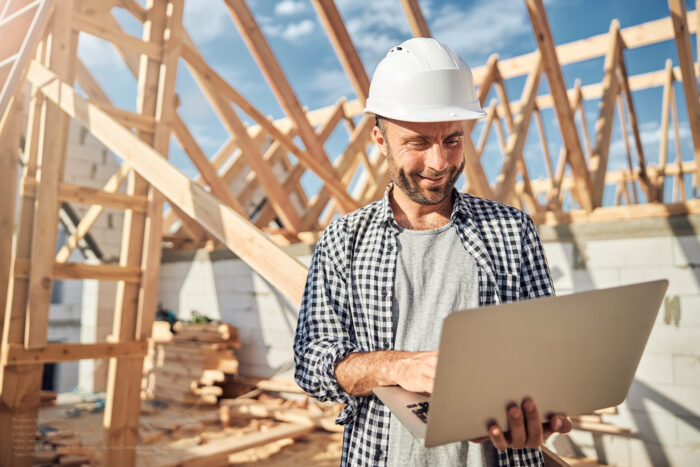
Hiring a licensed roofing contractor brings several crucial benefits that DIY solutions cannot match.
Benefits
Protection Against Falls and Injuries
Falls are the number-one cause of roofing accidents. Professionals follow strict OSHA guidelines, using:
- Anchored fall-arrest harnesses
- Non-slip footwear
- Stabilized ladders
- Perimeter safety lines
DIY roofers rarely invest in or use this equipment properly, significantly increasing the risk of injury.
Proper Material Handling Prevents Damage
Roofing materials can be heavy, sharp, or brittle. Professional contractors know how to move bundles of composition shingles, handle metal roofing panels, and install tile roofing without damaging the materials or the homeowner’s property.
Prevention of Structural Damage
Before walking on a roof, professionals inspect the decking for weak points, water damage, and past repairs. A DIY roofer may unknowingly walk on an area weakened by moss buildup, water stains, or storm damage, leading to structural collapse or injury.
Challenges
Despite the clear risks, homeowners often believe DIY roofing saves money. However, this can lead to:
- Ineffective repairs that worsen leaks
- Damaging gutters, flashing, or shingles
- Creating ventilation issues that drive up energy bills
- Voiding warranties from roofing manufacturers
These challenges usually result in more expensive repairs or, later, a complete roof replacement.
Read more about roofing contractor in Tigard
Need Roofing Services?
Contact Precision Roofing & Gutters today to learn more about roofing safety protocols.
Importance: How Safety Affects Roof Quality and Home Protection
Roofing safety does more than protect workers, it directly impacts the long-term performance and value of the home.
Ensuring Long-Lasting Roof Performance
A contractor who practices proper safety can perform work more accurately. They have the stability, tools, and training needed to properly install underlayment, flashing, roofing materials, roof coatings, and seamless gutters. Each component of the roofing system must be installed precisely, and working safely makes this possible.
Protecting Homeowners From Liability
If a DIY roofer is injured on your property, the homeowner may be held financially responsible. When hiring a licensed roofing contractor, the company carries insurance that shields homeowners from liability.
Compliance With Local Codes and Industry Standards
Roofing must comply with Tigard building codes and manufacturer specifications. Improper DIY repairs can lead to:
- Roof leaks
- Roofing system failure
- Warranty voiding
- Failed home inspections
- Water damage inside the home
Professional safety protocols ensure every project is performed correctly and legally.
How-To and Best Practices: How Professional Contractors Maintain a Safe Roofing Environment
Professional contractors follow a structured safety plan throughout each project, from preparation to post-installation inspection.
Jobsite Assessment
Contractors evaluate roof pitch, access points, overhead hazards, weather conditions, and structural stability before starting work. This assessment determines the equipment and safety measures required for the job.
Use of Personal Protective Equipment
Professionals use:
- Hard hats
- Fall-arrest harnesses
- Non-slip boots
- Gloves
- Eye protection: DIY roofers rarely have all the required PPE, significantly increasing the risk.
Weather-Based Safety Planning
Contractors monitor temperature, wind speed, and expected rainfall. Roofing during heavy rains or on wet surfaces is extremely dangerous, yet many DIY roofers underestimate how slippery a damp roof can be.
Safe Handling of Tools and Materials
Roofing tools such as nail guns, saws, and hammers require training. Incorrect use can cause accidents, puncture wounds, or poorly installed shingles requiring future repairs.
Limited List (As Required — One Short List Max)
Professionals typically follow these core safety rules:
- Never work alone on a roof.
- Always secure ladders and equipment.
- Use tied-off harnesses on steep or high roofs.
These rules dramatically reduce risks while ensuring precise workmanship.
Precision Roofing & Gutters: Your Trusted Roofing Contractor in Tigard for Safety and Quality
We at Precision Roofing & Gutters provide the best solutions to our customers because roofing safety and quality workmanship go hand in hand. Our team follows strict OSHA safety standards, uses advanced protective equipment, and performs detailed risk assessments for every project. We value your home, your safety, and the long-term performance of your roof.
Whether we’re completing a minor roof repair or a full roof replacement, we prioritize professionalism, precision, and customer satisfaction. Our previous projects showcase our exceptional service and commitment to safe, efficient roofing work.
If you want the highest level of safety, care, and craftsmanship, contact Precision Roofing & Gutters for expert Tigard roofing contractor services. Your home deserves roofing solutions backed by expertise, protection, and integrity.
roofing contractor near me in Tigard
Need Roofing Services?
Contact Precision Roofing & Gutters today to learn more about roofing safety protocols.