
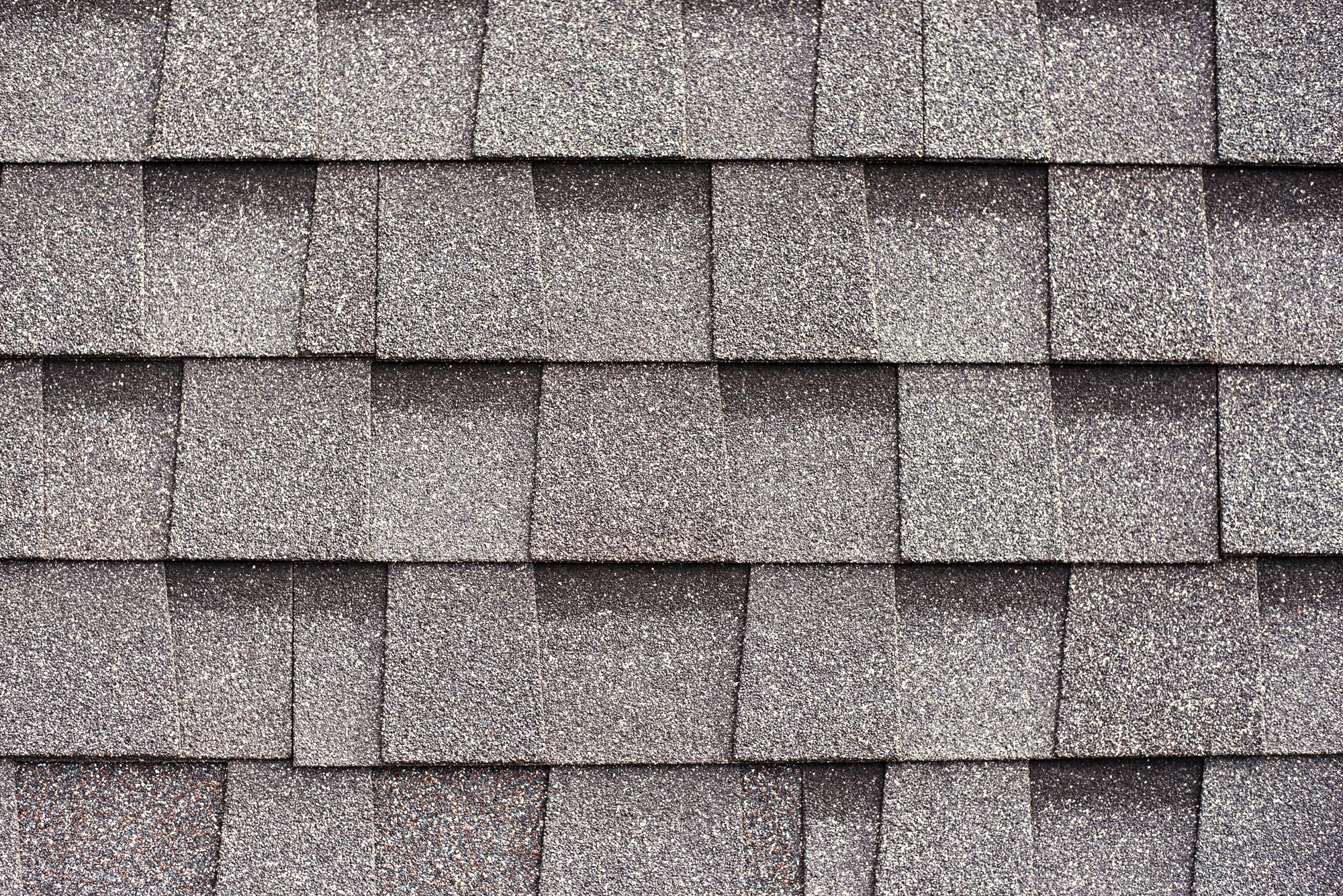
How Small Installation Errors Can Hold Moisture Inside an Otherwise Finished Roof
A roof can look complete from the outside while moisture slowly collects beneath its shingles. Poor ventilation, improperly layered underlayment, misplaced flashing, and unsuitable material combinations can create conditions in which water vapor or trapped moisture cannot escape as intended.
For homeowners researching roofing in Lake Oswego OR, understanding these hidden installation problems can make it easier to assess roof quality and ask informed questions before work begins. Precision Roofing & Gutters provides roofing services, and the details below explain why correct installation involves much more than securing shingles neatly across the roof.
A moisture trap does not always begin with rainwater passing through a visible opening. Water vapor from inside a home can move into the roof assembly, while damp materials can remain enclosed if the roof lacks an effective drying path. Some problems develop gradually, so ceilings and shingles may appear normal even as the roof deck, underlayment, or framing remains damp for extended periods.
Incorrect Underlayment Overlaps Can Direct Water the Wrong Way
Underlayment sits between the roof deck and the shingles, providing a secondary layer of protection if water gets beneath the outer covering. Its effectiveness depends partly on how the sheets or membrane are positioned. Installation should generally progress from the lower edge of the roof upward, with each higher course overlapping the one below it.
A reversed overlap can create the opposite effect. If an upper sheet ends behind a lower sheet, water moving down the roof may enter the joint and reach the sheathing. The shingles above may still appear intact, but moisture can collect at the poorly detailed seam or travel along the deck before becoming visible indoors.
The choice of underlayment also needs to suit the roof design and the manufacturer’s installation requirements. Different products have specific fastening, overlap, temperature, and substrate requirements. Using an incompatible product or installing it outside those requirements can compromise the intended water-shedding layer. The APA’s guidance on moisture-resistant roof construction emphasizes that underlayment, flashing, sheathing, roofing materials, and ventilation work as an interconnected system rather than as independent components.

Blocked Ventilation Can Keep Condensation Beneath the Roof Covering
Not all hidden moisture comes from rain. Indoor air contains water vapor from ordinary activities such as cooking, bathing, and drying clothes. When warm, moisture-laden air escapes through gaps in the ceiling or air barrier and reaches cold roof sheathing, it can cool below its dew point. Water then condenses on the underside of the roof deck, even though the shingles and underlayment are keeping rain out.
A roof assembly requires an appropriate strategy to control this moisture. In a conventional vented attic, intake vents near the eaves and exhaust vents higher on the roof help move air through the attic space. Insulation baffles are often needed to keep insulation from blocking the airflow at the eaves. If installers obstruct existing vents, fail to provide a continuous ventilation path, or create an unbalanced arrangement, moisture may linger longer than intended. Simply adding more exhaust vents does not necessarily solve the problem if adequate intake air is unavailable.
Ventilation is not a universal instruction to leave every roof cavity open, however. Some roof designs are intentionally built as unvented assemblies and rely on specific insulation and air-control details to keep the roof deck warm or prevent indoor moisture from reaching it. Those systems require careful design and installation. The Building America Solution Center explains how properly designed vented and unvented roof assemblies manage moisture and condensation, emphasizing that problems arise when the assembly does not follow a complete, compatible approach.
Ready to Protect Your Home With a Stronger Roof?
Contact Precision Roofing & Gutters for quality roof replacement and expert attention to the details.
Poor Flashing Details Leave Hidden Water Paths at Roof Intersections
Roof intersections are vulnerable because they bring together surfaces that shed water in different directions. Valleys, chimneys, skylights, plumbing vents, dormers, and roof-to-wall junctions all require carefully coordinated flashing. Shingles alone cannot reliably protect every change in direction or penetration. Flashing is designed to collect and direct water back onto the roof surface, away from vulnerable joints.
One common installation error is treating flashing as a surface patch instead of integrating it with the surrounding roofing layers. For example, step flashing at a roof-to-wall connection needs to work with each shingle course and the wall’s water-resistive layers. If the pieces are missing, incorrectly overlapped, poorly positioned, or sealed in a way that blocks the intended drainage route, water can enter behind the visible roof covering. The exterior may not show an obvious opening, particularly if the water travels behind siding or along the roof deck before reaching an interior surface.
Valleys require the same attention to water movement as other areas. They concentrate runoff from adjoining roof planes, so poorly installed valley underlayment or flashing can expose seams and edges to more water than they would receive elsewhere. A nail placed in an inappropriate location can also create a penetration in an area that should remain protected. The precise method depends on the valley design and roofing manufacturer’s instructions, so a single detail should not be assumed to suit every roof.
Poor Eave and Roof-Edge Details Can Hold Moisture Against Wood
The lower edge of a roof has several jobs. It needs to shed water away from the fascia and exterior walls, protect the roof deck edge, and connect properly with the underlayment, drip edge, and any required protective membrane. If these components are installed in the wrong sequence or do not overlap as intended, water can reach wood components that should remain protected.
For instance, a poorly coordinated drip edge and underlayment detail can allow water to track behind the metal edge rather than drain away from the roof. Gaps or poorly finished transitions at the fascia can also leave vulnerable edges exposed to repeated wetting. In areas where wind-driven rain is common, water may be pushed into small openings that would receive less exposure during ordinary rainfall. The resulting dampness can remain concealed behind the roof edge or trim.
Roof geometry can make these details more demanding. Eaves, rake edges, valleys, and roof-to-wall transitions do not all handle runoff in the same way. A detail that works along a straight roof edge may not be appropriate where two planes meet. Correct installation therefore depends on following the roofing system’s specified sequence and ensuring that adjoining layers form a continuous drainage path.
Installing Shingles Over Damp or Damaged Materials Can Enclose the Problem
A new shingle layer cannot correct moisture damage that already exists in the roof deck. If sheathing is damp, deteriorated, swollen, or no longer provides reliable fastening support, covering it without addressing the condition can leave moisture enclosed beneath the finished roof. The new surface may look clean while the underlying material continues to dry slowly or deteriorate.
This risk is particularly relevant during roof replacement. Once old shingles and underlayment are removed, the deck becomes easier to examine. Damaged sections may need to be replaced, and the source of any moisture should be considered before the new layers are installed. A roof leak, condensation problem, or recurring wetting at an intersection requires a different response from a section of sheathing that has reached the end of its useful life. Covering the material without understanding the cause can allow the same condition to persist.
Fastener selection and placement also matter. Shingles need to be secured in accordance with the product’s fastening requirements and the condition of the roof deck. Nails that are too short, misplaced, or driven incorrectly can weaken attachment. Overdriven fasteners can damage the shingle, while underdriven or angled fasteners may interfere with proper sealing and create exposed points. These errors are not all moisture traps, but they can compromise the roof covering and create opportunities for water to get beneath it.
Why Lake Oswego Roofs Need Details that Support Drainage and Drying
Roof assemblies in Lake Oswego must contend with periods of persistent rain and damp weather typical of the broader Pacific Northwest. During extended wet conditions, small weaknesses in drainage details can be repeatedly exposed. A roof that sheds water effectively during a brief shower may still have trouble if water repeatedly reaches an incorrectly layered seam or remains against a vulnerable edge.
The goal is not to assume that every roof needs the same ventilation arrangement or underlayment product. Roof pitch, attic configuration, insulation, existing construction, and the selected roofing materials all influence the appropriate installation details. A steep roof with a ventilated attic has different requirements from a low-slope section or a compact roof with an unvented design. Combining components without considering how they interact can create a roof that resists surface rain but has limited ability to manage moisture within the assembly.
Homeowners reviewing a roofing proposal can ask how the installation will address underlayment overlaps, roof penetrations, valleys, eaves, and ventilation. They can also ask how existing deck damage will be handled if it becomes visible after the old roofing is removed. These questions help clarify whether the work accounts for the entire roof assembly rather than focusing only on the visible shingles.
A Dry Roof Depends on the Layers Working Together
Moisture can collect beneath shingles without producing an obvious leak when installation details interrupt drainage, restrict drying, or enclose damp materials. Underlayment laps, flashing transitions, roof-edge details, ventilation, and the condition of the sheathing all influence how well a roof manages water. A dependable installation needs these elements to work as a coordinated system.
Precision Roofing & Gutters serves homeowners seeking roofing in Lake Oswego area. When considering a new roof or replacement, homeowners can discuss the roof’s existing condition and the details that will protect the underlying structure. A well-finished roof should do more than look sound from the street; its concealed layers should also be arranged to manage moisture over time.
Ready to Protect Your Home With a Stronger Roof?
Contact Precision Roofing & Gutters for quality roof replacement and expert attention to the details.